
Beyond Fair Weather Recreation: Embracing Year-Round Outdoor Programming
Limited “nice” weather days and increasingly comfort-focused lifestyles are influencing how often people engage in outdoor recreation. Explore the value of year-round, all-weather programming and encourage parks and recreation professionals to consider how outdoor experiences in every season can support health, learning, and resilience.
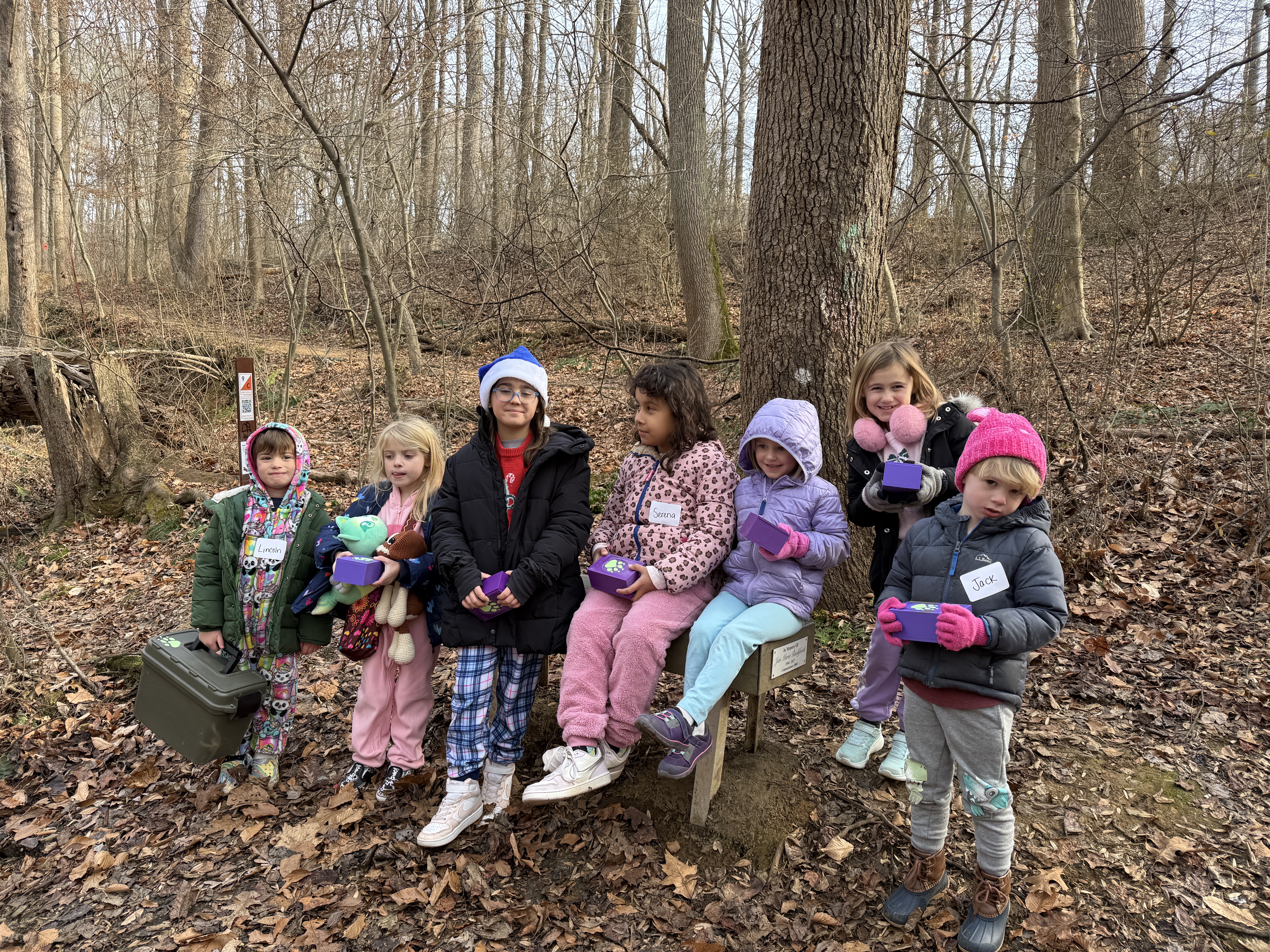
When was the last time you cancelled an outdoor activity due to “poor” weather? Over the past ten years, Pennsylvania has experienced its wettest year on record, and precipitation in some areas was more than 10 inches above the 20-year average. Temperatures over the last decade have increased 3–4 degrees; however, 2025 saw around 15 more days below freezing than the average. When we factor in work, school, and other life events, we have a limited number of “nice” days to enjoy the outdoors.
Naturally, outdoor recreation programs see the largest participation during late spring through early fall. Things like family schedules and the amount of daylight have a direct effect on this pattern, but there is also a cultural shift in our general comfort baseline. Artificial light and climate control, and electronic stimuli have us moving indoors more often than we previously have. In his book The Comfort Crisis, Michael Easter argues that our modern conveniences have optimized comfort so much that it has removed natural discomfort, and there is a fundamental shift in our desire to seek out things that help us mentally and physically. Basically, if sitting on the couch in the A/C scrolling on your phone is your baseline for comfort, then everything you do beyond that is going to be uncomfortable, and you will develop an aversion to activities that challenge us and where growth often occurs.
Stephen Rinella has a related point in his book Outside Kids in an Inside World. He postulates that children benefit from direct, unfiltered experiences in nature. Most importantly, these experiences do not (and should not) require ideal conditions. Variable weather conditions can prompt curiosity, problem-solving, and present unique experiences that help build children’s confidence.
These authors' arguments are supported by a large body of research evidence. Numerous studies show that 120 minutes outside per week, in any increment you can get, has measurable benefits for our physical and mental health. Another large systematic review of outdoor play research found that outdoor environments support the health and development of children. In addition, a study of children’s play in winter environments boosted creativity and promoted identity development.
Together, these studies all show that the benefits of outdoor recreation are not dependent on perfect weather. However, when we limit ourselves to nice days, we are forcing long stretches of time not spent outdoors that have a marked negative effect on our health. We are also unintentionally missing out on an important life lesson for kids: that discomfort shouldn't be avoided, but rather navigated.
For parks and recreation professionals, this raises an important question: Are we unintentionally designing outdoor programming around only the most comfortable days of the year and causing participants to shy away from taking advantage of every opportunity to get outside?
It is important to note that embracing year-round, all-weather outdoor programming does not mean completely ignoring safety and comfort. Dangerous weather should always be avoided. However, we should reframe things such as rain and cold as part of the experience rather than a barrier to the outdoors. Some of the most meaningful outdoor experiences occur outside of ideal conditions. Experiencing the woods come alive with activity after a rain or breathing the crisp winter air on a morning walk can create unique moments of discovery and connection that are unable to be replicated indoors.
As you are planning your activity calendars and evaluating your cancellation policies, consider encouraging outdoor activities in less-than-ideal conditions. Ask yourselves if you're offering experiences that build confidence and allow year-round enjoyment of the outdoors. People should experience the outdoors as it is: unpredictable and full of possibilities.
Easter, M. (2021). The Comfort Crisis: Embrace Discomfort to Reclaim Your Wild, Happy, Healthy Self.
Rinella, S. (2025). Outside Kids in an Inside World.
Lee, E. Y., et al. (2021). “Correlates of outdoor play and outdoor time among children aged 3–12 years: A systematic review.” International Journal of Behavioral Nutrition and Physical Activity.
Sanderud, J. R., Gurholt, K. P., & Moe, V. F. (2019). “Winter children: An ethnographic-inspired study of children being-and-becoming well-versed with snow and ice.” Sport, Education and Society.